Regenerative Medicine
PRP Therapy
Platelet-rich plasma from your own blood, concentrated and reinjected to support healing in joints, skin and scalp.
Book a consultation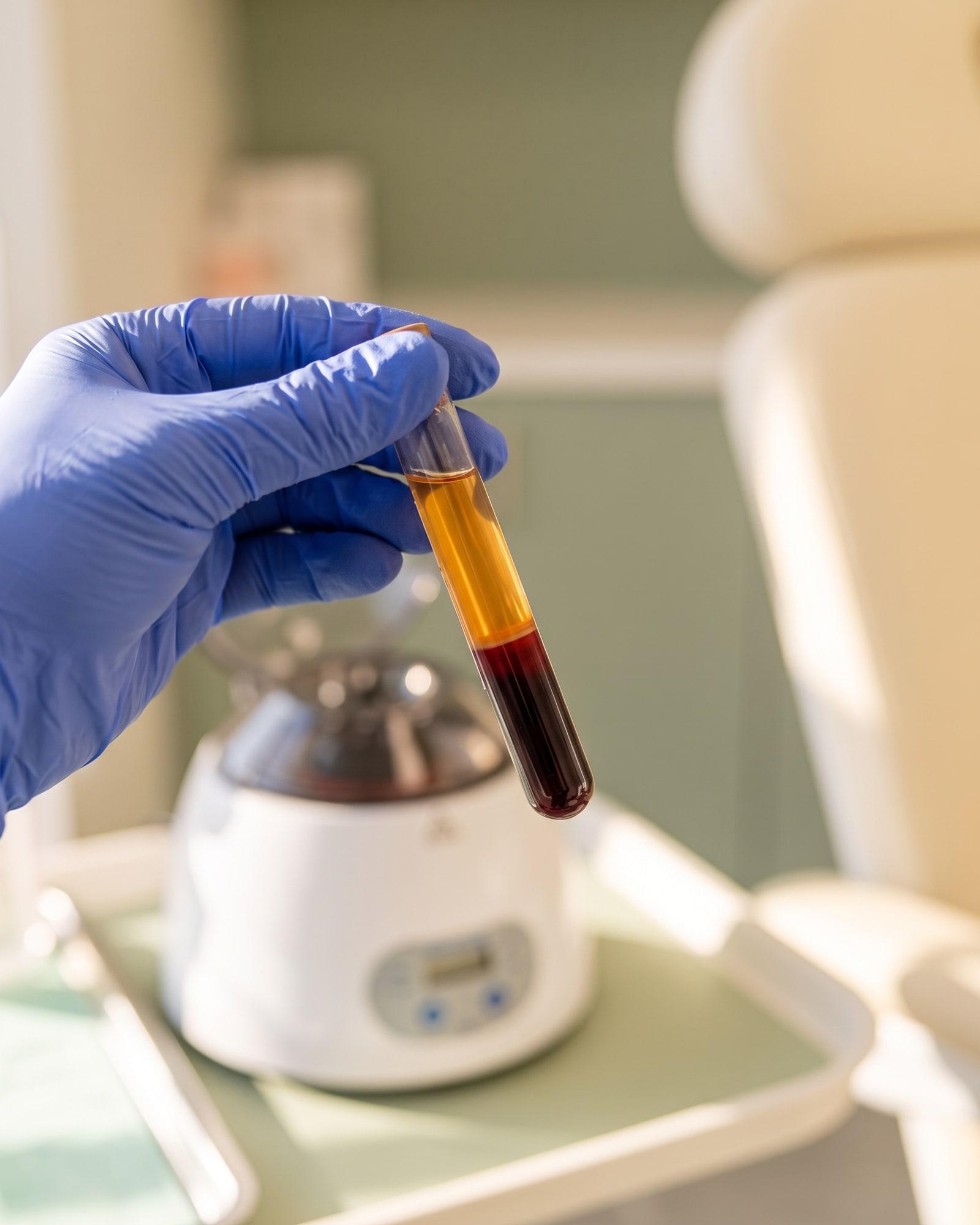
About the treatment
How PRP Therapy works
Platelet-rich plasma, or PRP, is a concentrate made from a small sample of your own blood. Platelets carry growth factors that play a role in the body's natural healing process. At Gard Wellness Solutions, PRP is used in regenerative protocols for joints and tendons, the skin and the scalp. For many of these uses, PRP is still considered regenerative and investigational.
Your provider draws a small amount of blood and spins it in a centrifuge to separate and concentrate the platelets and growth factors. The PRP is then injected into the target area, such as a painful joint, a slow-healing tendon or thinning areas of the scalp. The goal is to encourage your body's own repair response rather than only quieting symptoms.
PRP may help ease pain and support healing in knees, shoulders, tendons and early arthritis, improve skin quality, and support thicker-looking hair. Because it comes from your own blood, the risk of an allergic reaction is low. It tends to suit people who want a non-surgical option and understand that improvement is gradual. Results vary, and PRP for sexual health concerns such as erectile dysfunction remains investigational.
Questions
Common questions
PRP therapy may suit adults with joint pain, tendon or ligament injuries, early arthritis, or thinning hair who want a non-surgical option. It is also used for skin rejuvenation. It may not be appropriate if you have a blood or platelet disorder, an active infection, certain cancers, or are pregnant, which your provider will review at your consultation.
Your provider draws a small sample of blood, much like a routine lab draw. The blood is processed in a centrifuge to concentrate the platelets, then injected into the treatment area, sometimes with a numbing agent or, for the scalp, microneedling. The injection itself takes just a few minutes, and any discomfort is usually brief.
PRP works with your body's repair processes, so improvement tends to build gradually over the following weeks rather than overnight. Hair and skin changes can take a few months to show. Depending on your condition, protocols may involve one to a few sessions, and your provider will map out your expected timeline.
PRP is considered regenerative and investigational for many uses, and results are not guaranteed. Your provider may ask you to avoid anti-inflammatory medications like ibuprofen and aspirin for a period before and after treatment, since they can interfere with platelet activity. Tell your provider about blood thinners, bleeding disorders or recent steroid use, and stay well hydrated before your blood draw.
Most patients return to normal activities quickly. Some soreness, swelling or tenderness at the injection site for a day or two is normal, especially after joint injections. Your provider may recommend easing off strenuous activity for a short time after a joint treatment and avoiding anti-inflammatory medications while healing gets underway.
Get started
Ready to feel like yourself again?
Book a consultation and we will start where every plan here starts: your history, your labs and what you actually want to change.